
ALL E-COURSES
An extensive library of free e-modules
All E-COURSES
All the training material on this website can be used or downloaded for free. Our employers allow us to share their training materials for free, under a Creative Commons license for non-commercial use.
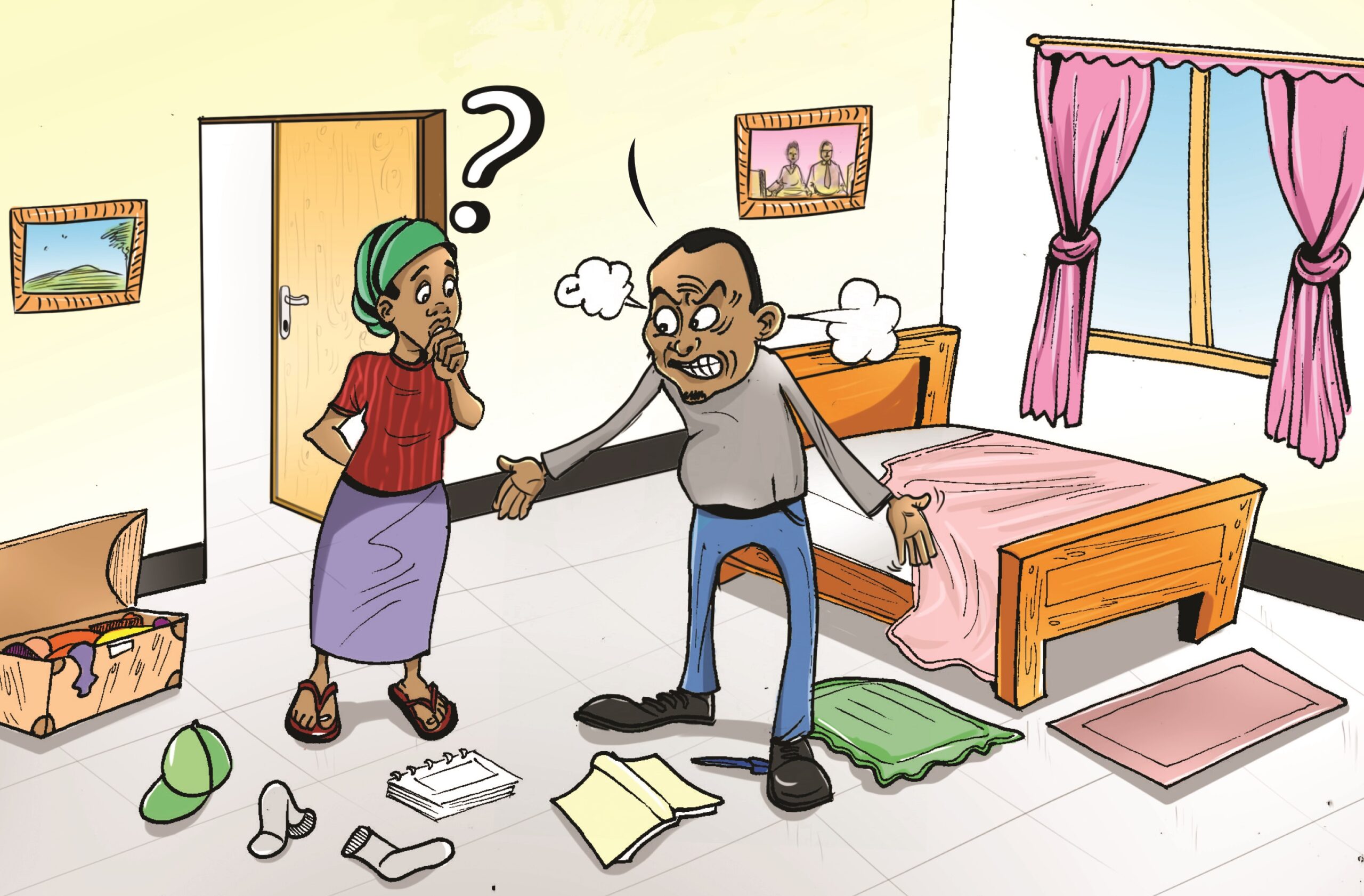
Improve your communication skills
In this course you will learn more about communication and its importance. You will learn about basic communication theory, verbal and non verbal communication and active listening and giving feedback.
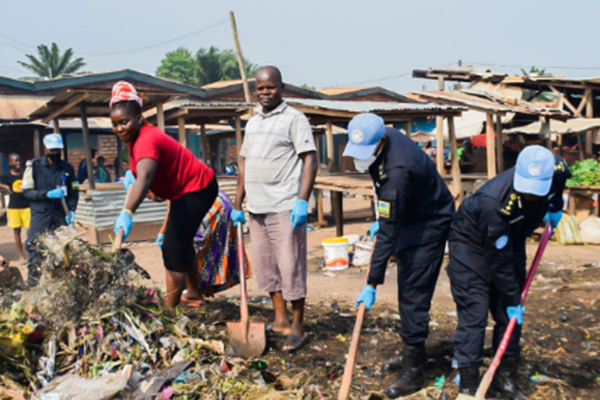
The waste hero challenge
Practical tips and challenges for households in Rwanda to reduce, reuse, and manage waste, encouraging sustainable habits at home.
1. Identifying engines
In this course, you will learn how an internal combustion engine works. You will also learn how to classify engines, identify and describe essential engine components and the most important tools and materials you need when performing an engine overhaul
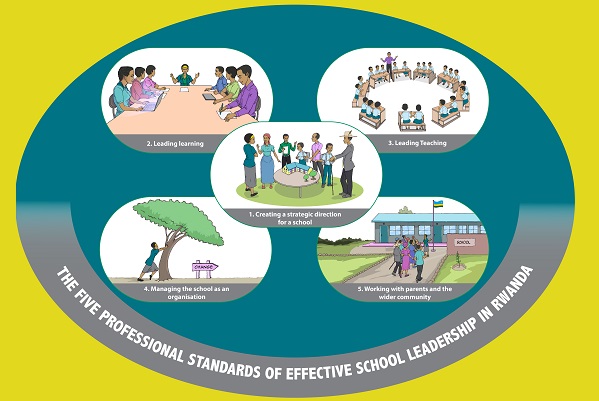
Introduction to effective school leadership
The introductory module helps you to describe a school leader's key tasks. Get familiar with the five standards of effective school leadership and learn more about Continuous Professional Development.
1. Positive health
This course is about positive health and healthy habits for physical and for mental health. Assess your own health habits. Decide what changes you can make, in your daily habits at work or at home, to become healthier.

Write professional emails
Learn how to structure an email, write a clear message and learn more about email etiquette. Become a professional in email writing.
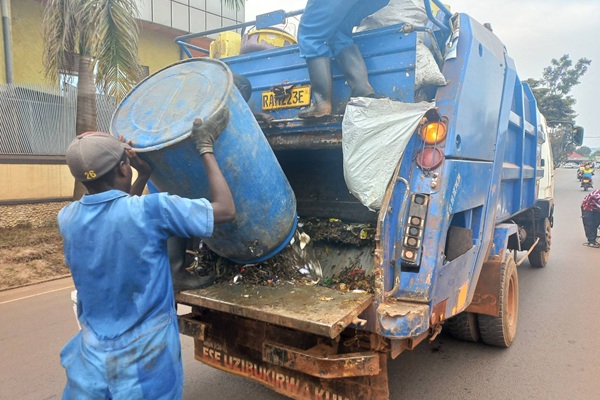
Waste collection and transport (basic course)
Learn how waste is collected, transported, and transferred, including basic logistics planning and cost considerations. This is a basic-level course.
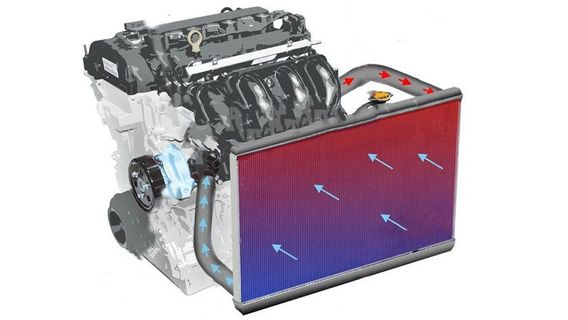
2. Maintaining the cooling system
This course will teach you to identify the parts of a cooling system, select tools, materials, and equipment for dismounting cooling system components, diagnose the cooling system and service cooling system components.
Standard 1: Creating strategic direction for the school
Learn how to create or review the vision, mission, and core values of your school. Get familiar with the School Improvement Plan (SIP).
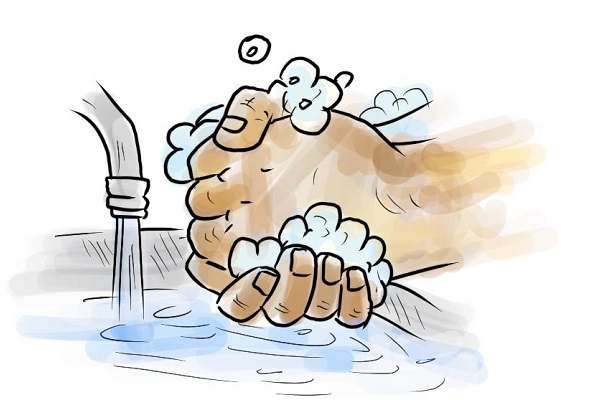
2. Safe hygiene
This course is about public and personal cleanliness. The course will help you to reduce the spread of germs to avoid the spread of diseases.
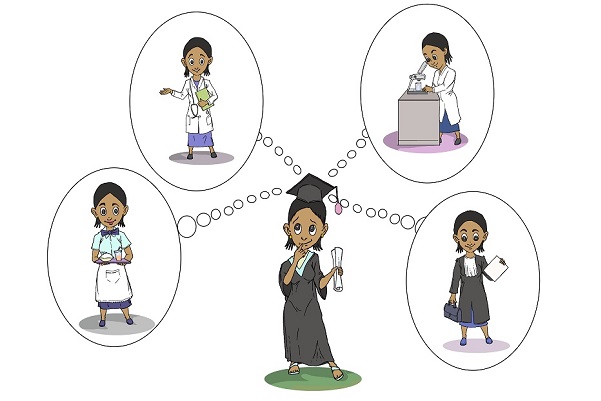
Apply for a job with success
In this course, you will learn how to apply for a job. We will give you tips on doing job searches, drafting your CV and motivational letter, and on how best to prepare for a job interview.

1. Fundamentals of solid waste management and the circular economy
Learn about the foundations of municipal solid waste management and how circular economy models reduce waste and maximise resource recovery. This course and the next courses are technical level courses.
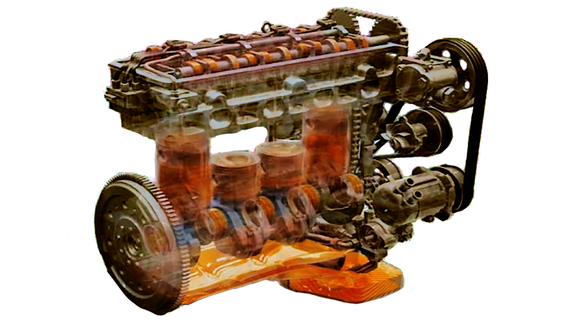
3. Servicing the lubrication system
This course will help you understand how lubrication works and identify its system components. You will learn about different types of lubrication systems, how to select tools, materials, and equipment for servicing them, and how to diagnose lubrication system issues.
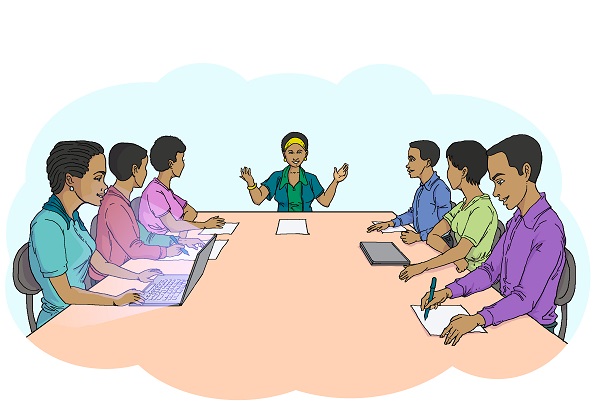
Standard 2: Leading learning
This module is about the promotion of a positive learning environment with competency-based learning. Understand more about inclusive education and the importance of assessment and good record-keeping.
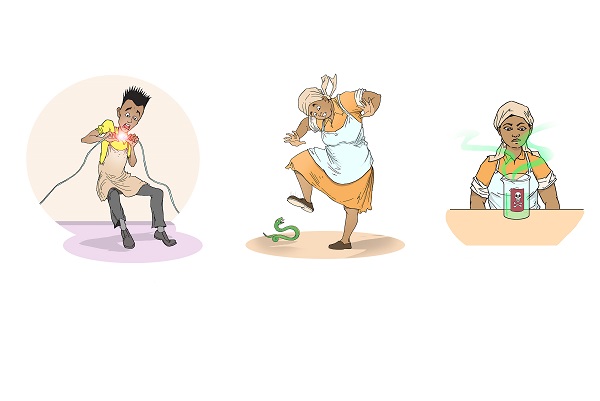
3. Hazards and safety in the workplace
Learn to identify health and safety hazards at worksites. This course will help you to reduce, eliminate or control hazards at work.
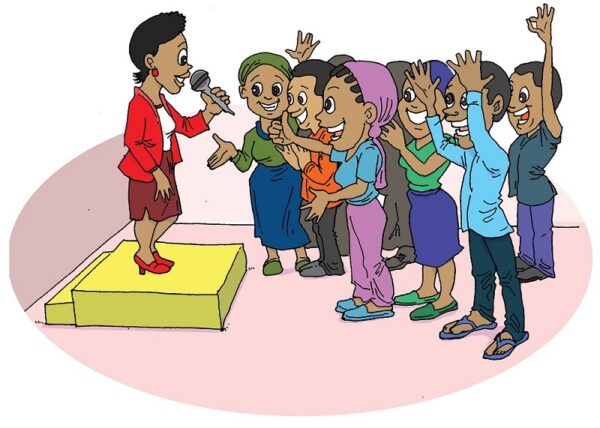
Deliver great presentations
The e-course teaches you how to build a presentation and deliver it in a convincing manner. You learn about grounding, use of voice, breathing, eye contact and involving your audience. Learn how to use Powerpoint correctly.
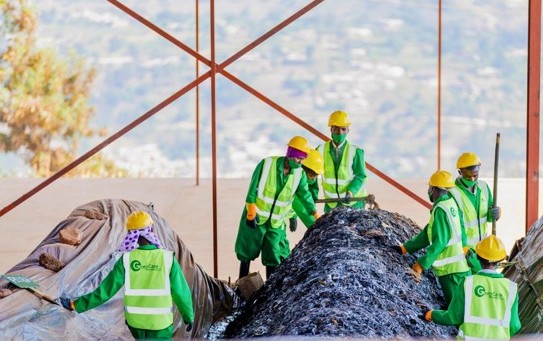
2. Municipal solid waste concept
Explore municipal solid waste concepts from global best practices to practical solutions tailored to Rwanda, turning waste from a challenge into a valuable resource.
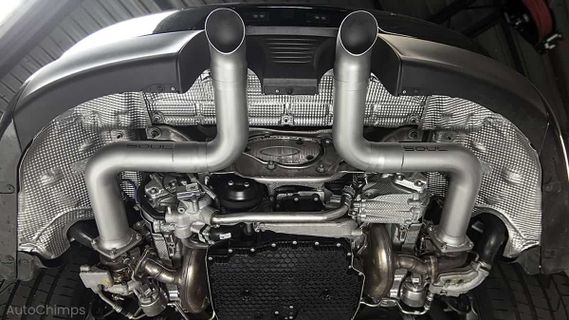
4. Servicing the exhaust system
This course will help you to check exhaust system components, select the right tools and equipment to dismount, remount and replace the exhaust system components, and test the exhaust system.
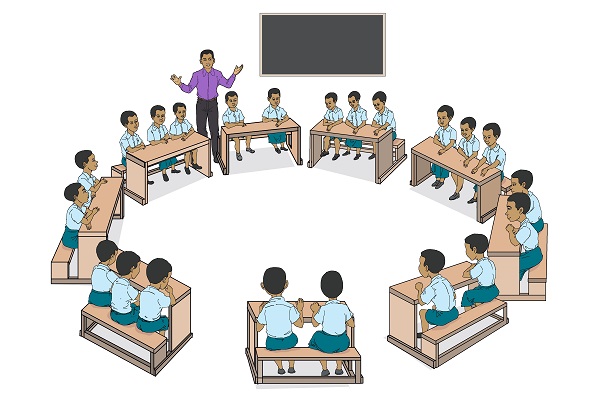
Standard 3: Leading teaching
In this module, you will learn about the importance of Continuous Professional Development for the teachers at your school, collaborative learning and the induction of new teachers.
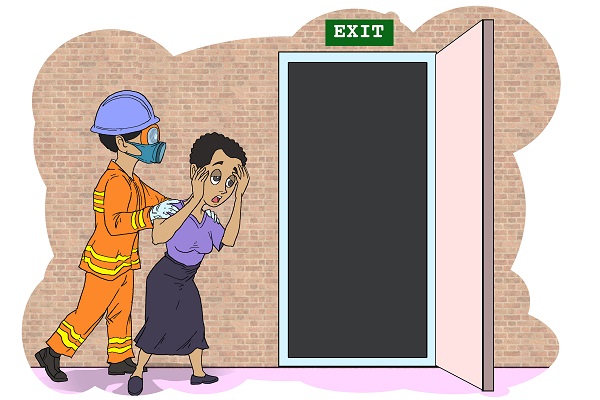
4. Emergencies at work
Learn how to prevent accidents at work. Also, learn how to respond appropriately to an emergency if you are faced with one.

Solve your problems step by step
This e-course is about problems and emotions that come with them. In the course you will use the step-wise problem-solving model, celebrate your wins and practise problem-solving.
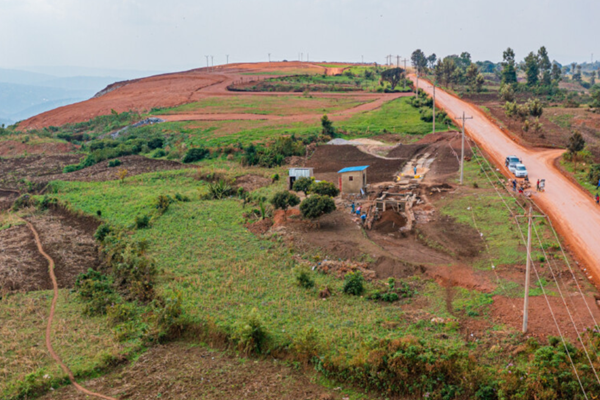
3. Landfill design and operations
Learn modern principles for designing, operating, closing, and maintaining sustainable landfills, ensuring environmental protection and long-term management.
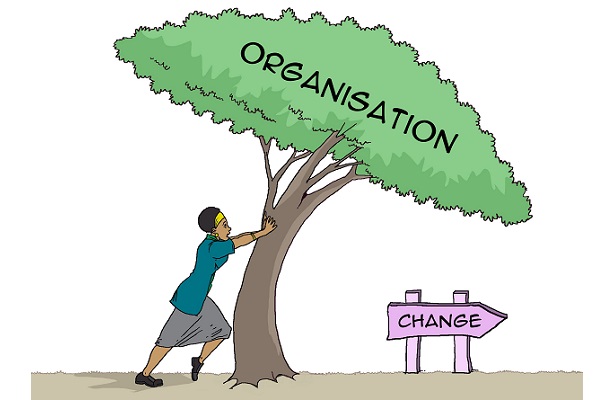
Standard 4: Managing the school as an organisation
Learn more about the key components of staff management in schools. Management of the school's financial, human and physical resources. Explore your role as a school leader in leading change.
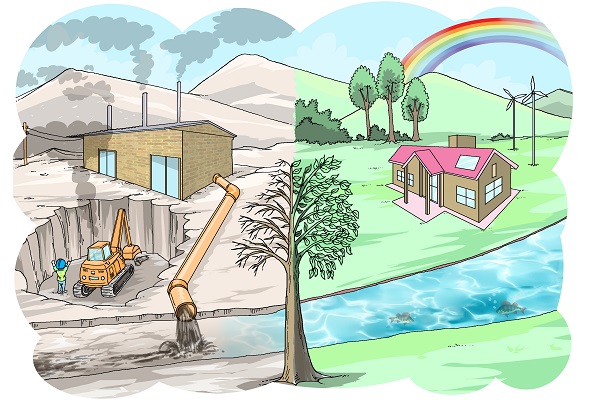
5. Protecting the environment at our workplace
Learn about the most common environmental problems and how to protect the environment at your workplace. Decide what you will do to fight climate change.

Work with passion
Find your values and your motivation and in the proper work environment, you will thrive. Become better at what you do and have more fun doing your work at the same time.
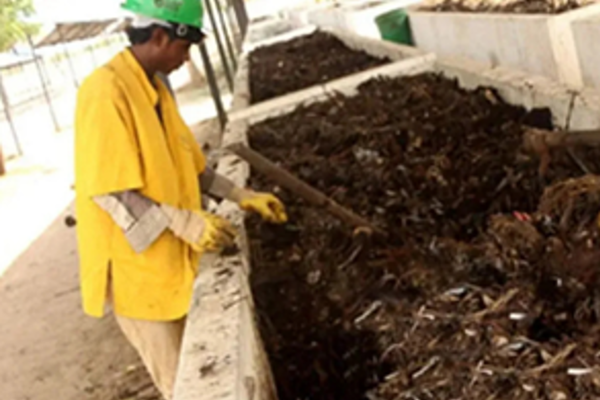
4. Mechanical biological treatment
Learn how Mechanical Biological Treatment (MBT) sorts waste, recovers recyclables, and treats biodegradable materials, while addressing environmental, health, and safety considerations.
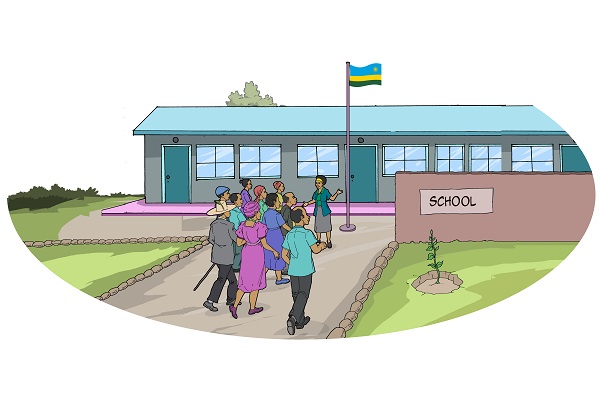
Standard 5: Working with parents and the wider community
This module is about the effective involvement of parents and the wider community in the school. Learn how to facilitate the effective functioning of the School General Assembly and its Executive Committee.
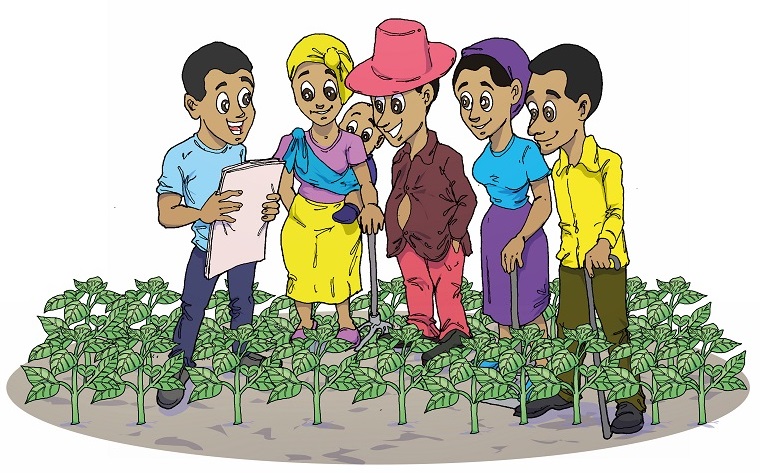
Reaching out to farmers
An e-course for lecturers and students on extension in agriculture. In this course, you will learn how to teach farmers. This is an advanced-level course with practical assignments.

5. Extended Producer Responsibility (EPR)
Learn how producers are held responsible for the environmental impact of their products, including take-back systems, recycling obligations, and waste reduction strategies.
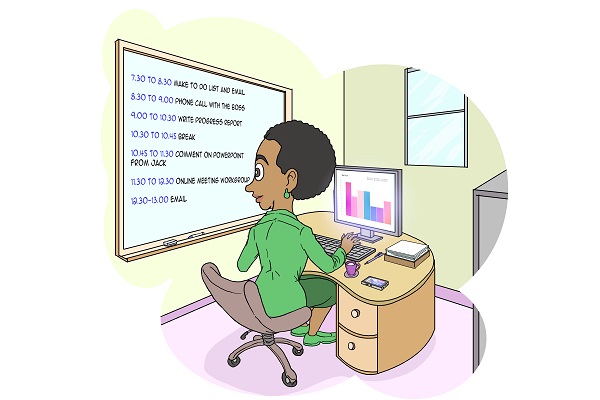
Manage your work
Find your values and your motivation and in the proper work environment, you will thrive. Become better at what you do and have more fun doing your work at the same time.
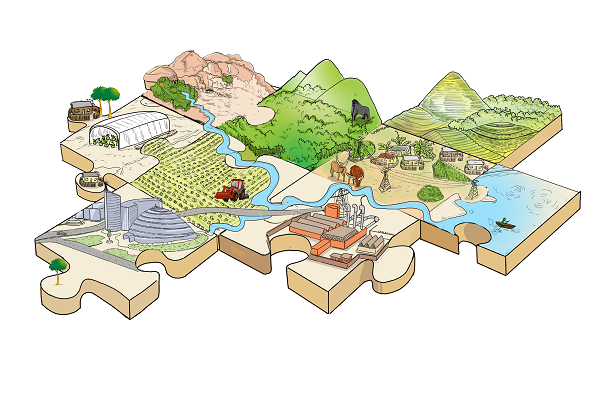
Introduction to Integrated Water Resources Management in Rwanda
This e-course will give you a basic introduction to Integrated Water Resources Management (IWRM). You will learn more about water and erosion control in Rwanda.
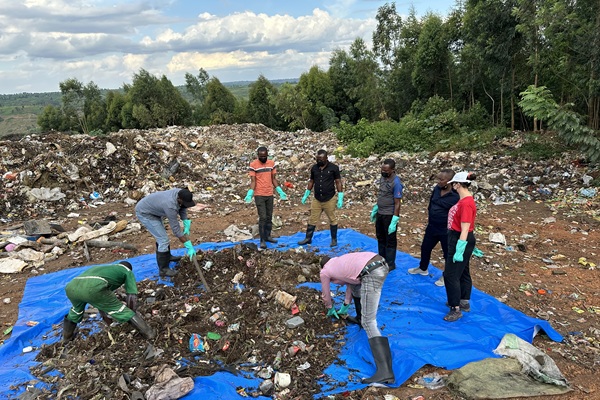
6. Waste characterisation techniques
Gain practical skills to design and conduct waste surveys, collect and analyse data, and apply evidence-based strategies for effective waste management in rural communities.
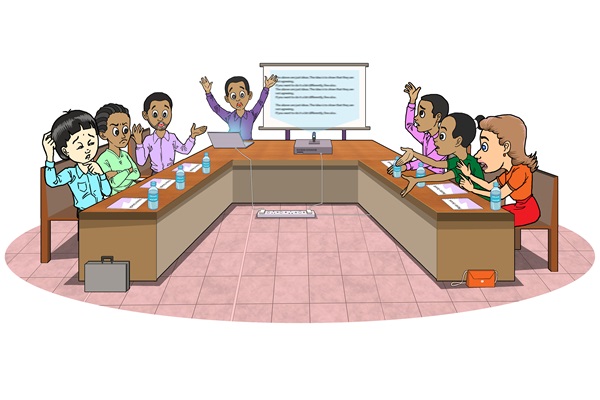
Chairing effective meetings
The course "Chairing effective meetings" will teach you to set meeting objectives, prepare an agenda, conduct the meeting while making sure all participate, manage time, make decisions and end the meeting with action items. The course will also help you to make meetings fun.
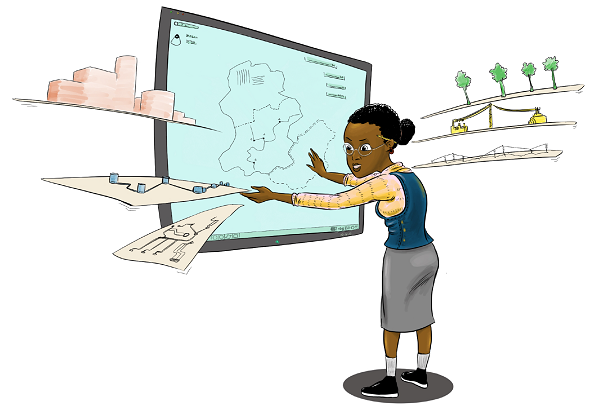
Using Maps in Integrated Water Resources Management
An e-course to develop your map reading skills. Being able to use a map is important for those who work in integrated water resources management. Understand maps to be able to participate in discussions about water management.
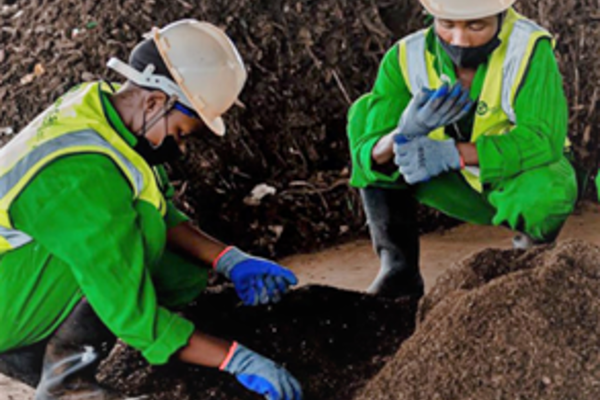
7. Handling of biowaste
Explore practical methods to manage bio-waste, including collection, treatment, and sustainable composting practices.
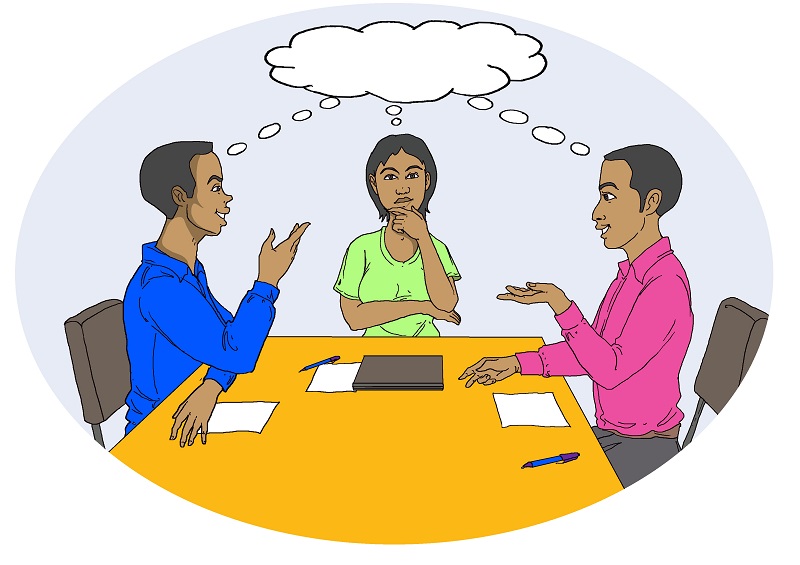
Think critically
Critical thinking helps you analyse information and distinguish facts from opinions. It also helps you make better decisions, come up with more imaginative solutions, and improve your understanding of complicated topics.

Manage your personal finances
Improve the management of your personal finances. In this course: how how to create a realistic budget, prepare for unexpected costs, manage debt wisely, find ways to increase your income and decide about investing and entrepreneurship.
8. Handling of plastic waste
Learn how plastic waste is generated, recycled, and managed. Learn about global challenges and limitations of current recycling systems.

9. Public awareness in waste management
Learn why waste awareness matters and explore strategies like community activities, school programs, and media campaigns to engage people and promote lasting behaviour change.
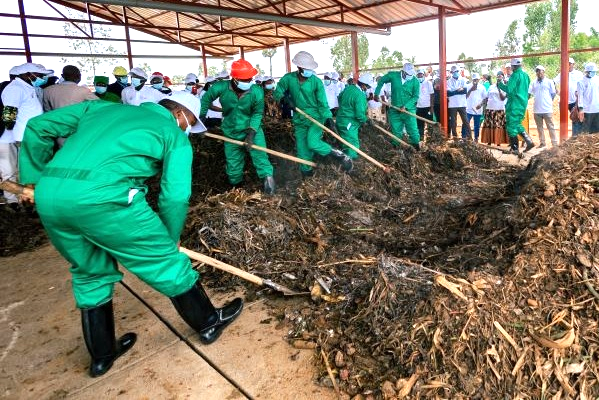
10. SHINE – A waste collection pilot in Bugesera
Learn about the SHINE Model, a waste separation pilot in Bugesera, its results, and key recommendations for scaling up across Rwanda.
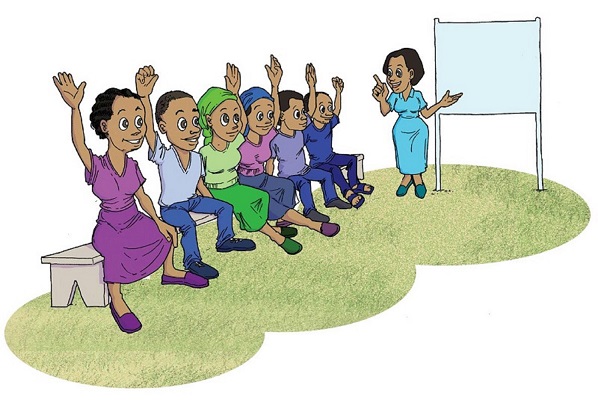
Facilitating gender discussions
This e-course will help you to become more gender-sensitive in your job. Increase your skills to facilitate meaningful gender discussions with both men and women wherever you are working, especially when you are in rural communities.

11. The economy of waste management and recycling
Explore how waste management systems are financed, from recycling revenues and collection fees to Extended Producer Responsibility (EPR) funding.
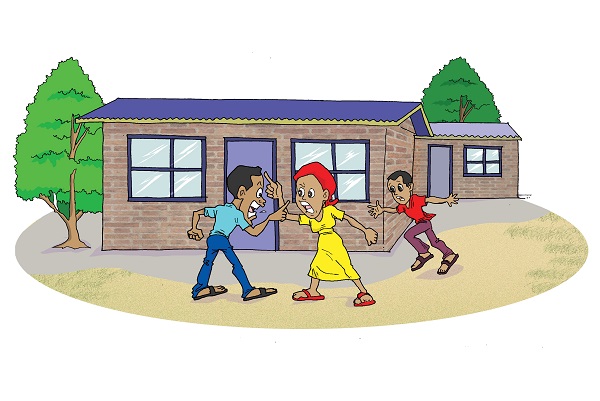
Dealing with Gender-based Violence
This e-course is for Local leaders who have to deal with cases of GBV. The course describes four types of violence, the circle of violence, the Government of Rwanda's GBV law, and what local leaders can do to combat GBV.
12. E-waste management
Learn how to manage electronic waste and batteries, including collection, recycling, and safe end-of-life strategies to protect the environment and recover valuable materials.
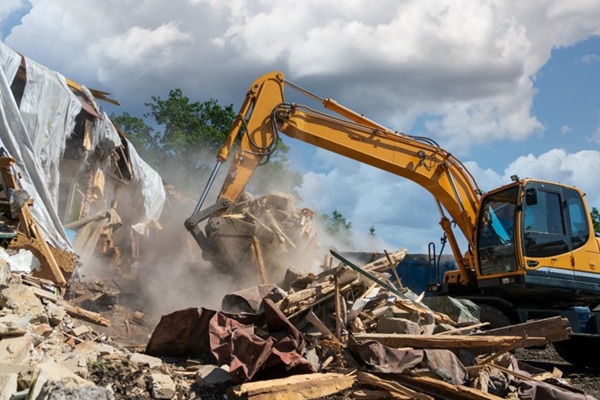
13. Construction and demolition waste management
Learn best practices for managing construction and demolition waste, including separation, recycling, selective demolition, and circular economy strategies to conserve resources.
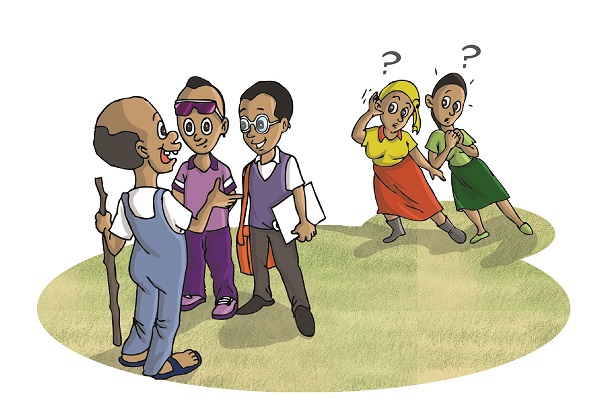
Gender Mainstreaming in Agriculture
In this e-course, you will discover the difference in meaning between "sex" and "gender" and how gender roles are defined by the society we live in. You will learn more about gender concepts and how gender roles can change.
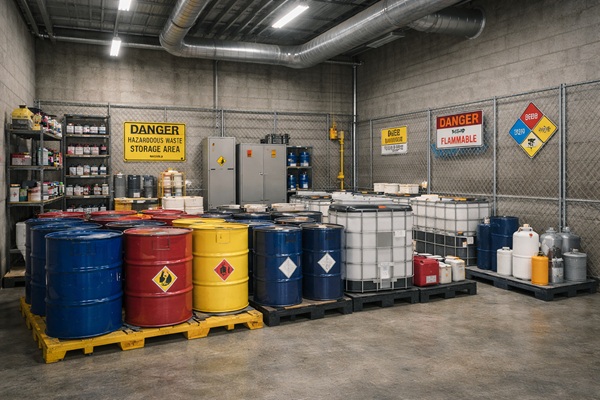
14. Handling of hazardous waste
Learn how to safely identify, handle, store, transport, and dispose of hazardous waste while minimising risks to health and the environment.
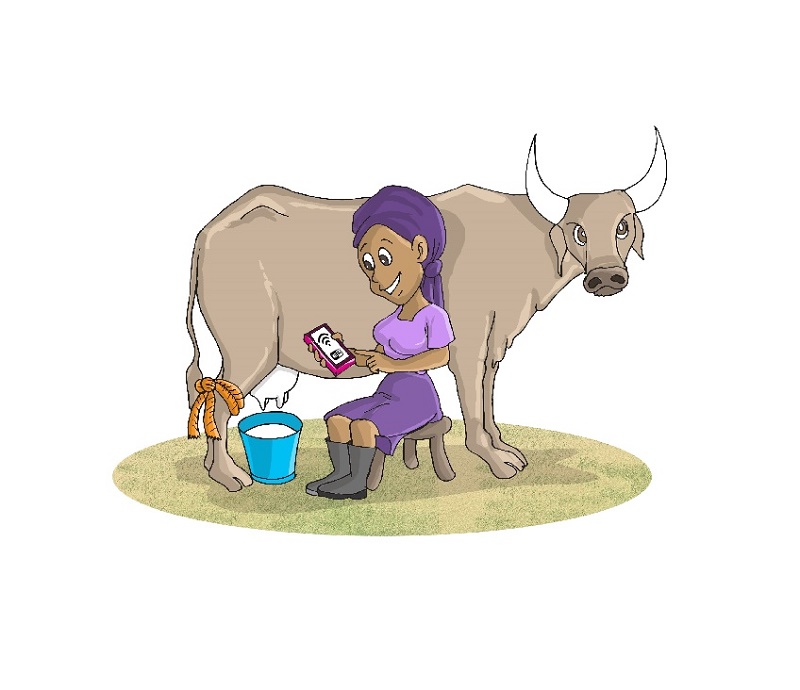
1. Gender in agriculture, the introduction
A series of e-courses for international gender experts. Topics include gender issues in agricultural value chains, mainstreaming gender, roles in households, gender-aware and gender transformative strategies.
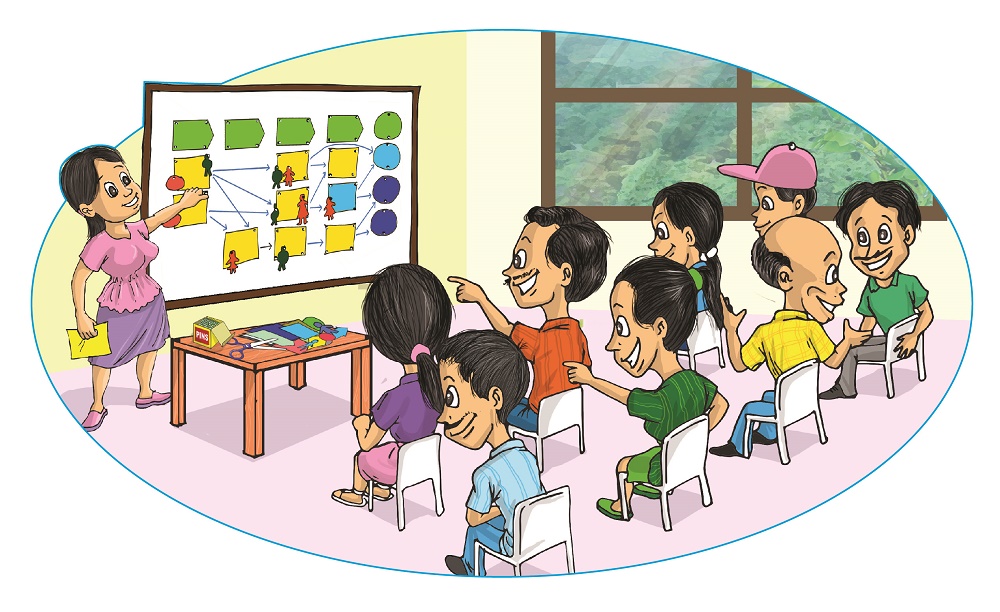
2. Gender sensitive mapping
This course will help you to make a gender-sensitive value-chain map, and how to facilitate a workshop on gender-sensitive mapping.
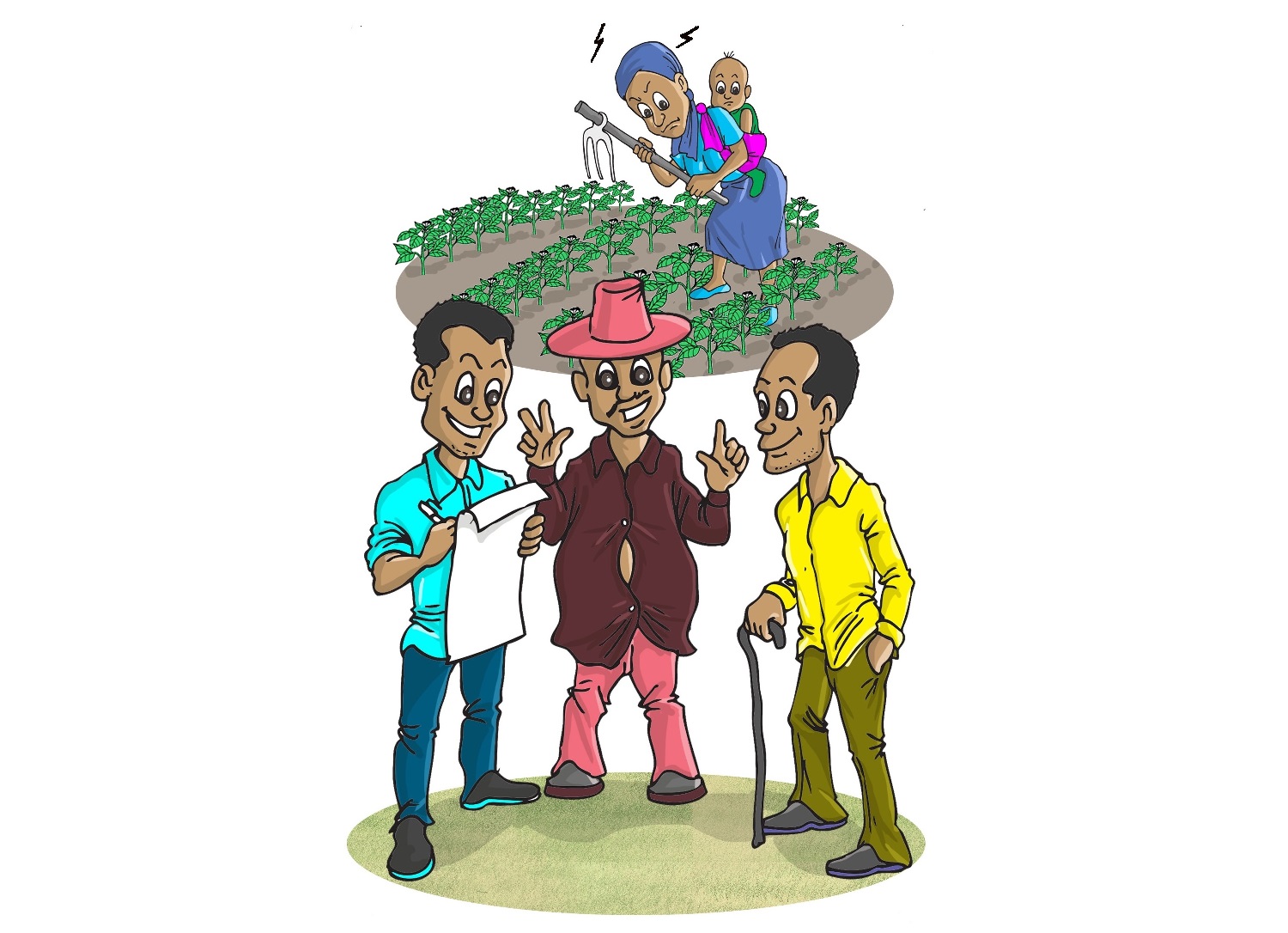
3. Gender-based constraints
You will learn how to identify gender-based constraints in a value chain, using three tools: 1. Activities and responsibilities per gender, 2. Access to and control, 3. Formulation of gender-based constraints. You will learn how to develop effective action combatting those constraints.
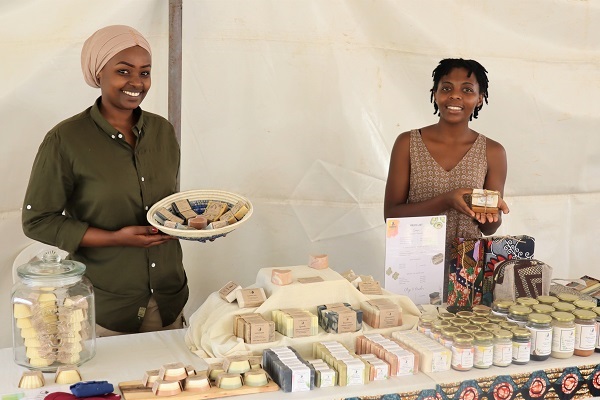
Improve your exhibition stand
The e-course will make you a good exhibitor. You will learn how to define your main message, set up a good stand, even with a small budget, follow up with your visitors after the exhibition and evaluate your performance.
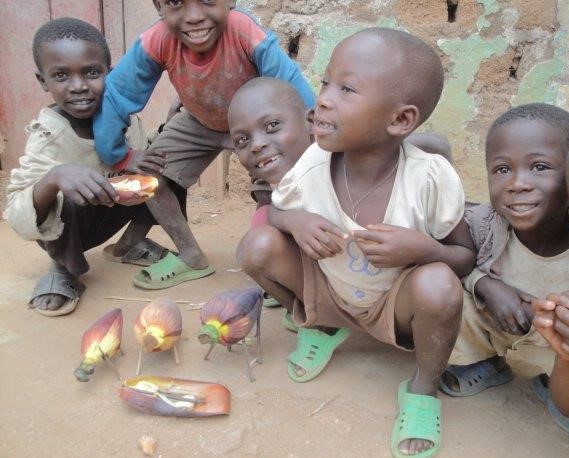
Learning through play
This short e-course is about the importance of play for the healthy development of young children. Play is used in pre-schools to enhance the skills development of young children. Learn how children play in play corners in pre-school classrooms.